Budget Espresso Machine Setup for Small Apartments: Best Under $200 Espresso Maker, Grinder & Cozy Coffee Bar Essentials
This post may contain affiliate links, which means I may earn a small commission if you make a purchase through these links—at no extra cost to you. I only share products I genuinely love or believe will add value. Thank you for supporting our website.
1/19/20265 min read
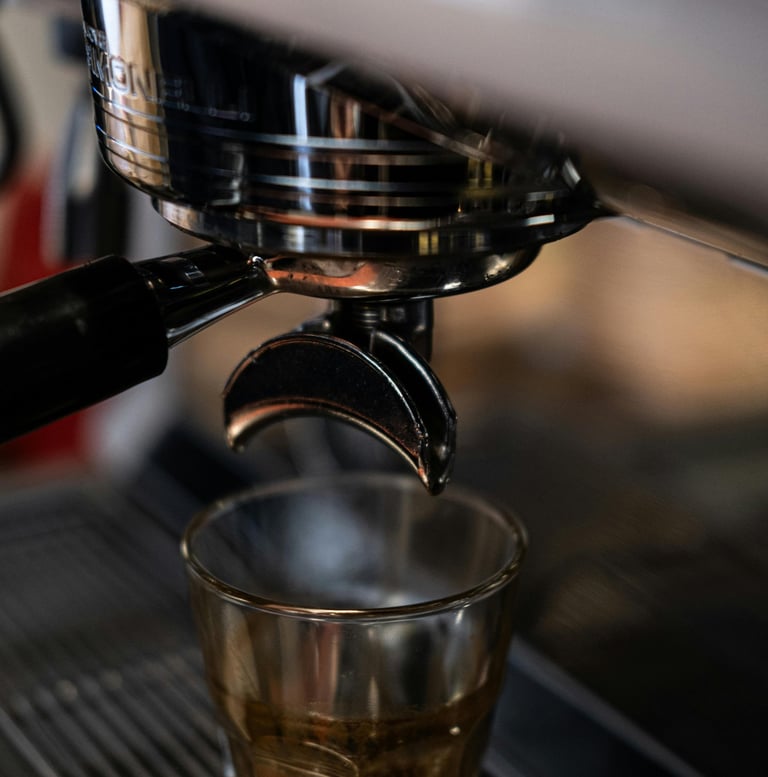
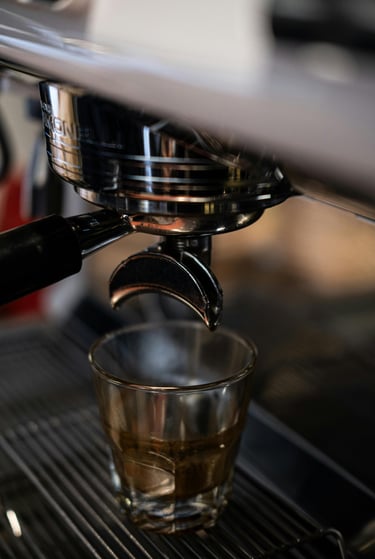
Creating a cozy home espresso setup in a small apartment or dorm does not have to be expensive or complicated. This guide walks through a beginner‑friendly budget setup built around an under‑$200 espresso machine, plus a few key tools and décor pieces to make the space feel like a tiny café at home.
The Heart Of The Setup: Budget Espresso Machine
The heart of this setup is the CASABREWS CM5418 espresso machine, a compact 20‑bar stainless‑steel machine with a built‑in steam wand and a 34 oz removable water tank that fits easily on small apartment or dorm counters.
Its simple button controls and front‑mounted pressure gauge make the CASABREWS CM5418 friendly for beginners, while still powerful enough to pull single or double shots and steam milk for lattes and cappuccinos that look and taste café‑style.
Why A Burr Grinder Is Non‑Negotiable
Great espresso starts with the grind. A basic electric burr grinder with multiple grind settings is a huge step up from pre‑ground coffee or a cheap blade grinder, which tends to chop beans unevenly and create bitter, inconsistent shots.
A budget‑friendly burr grinder gives enough control to dial in espresso while still staying affordable. It can also handle coarser grinds for French press or pour‑over, making it a flexible choice for anyone who enjoys different brew methods.
Use A Digital Scale For Café‑Level Consistency
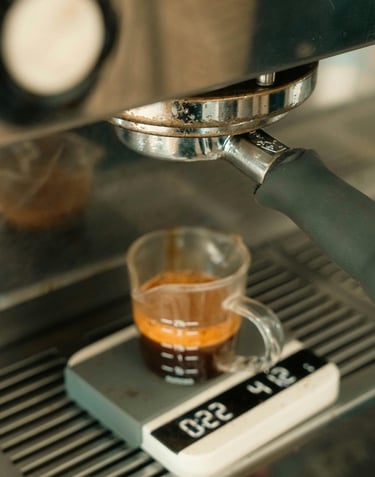
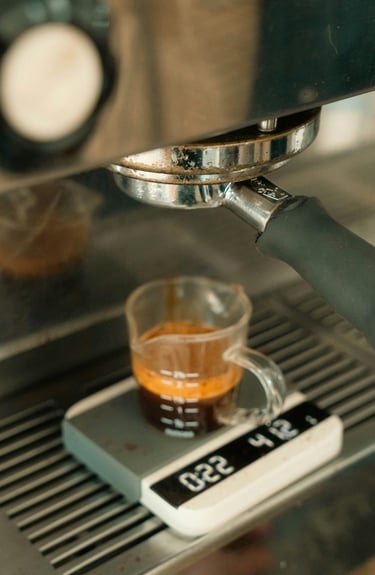
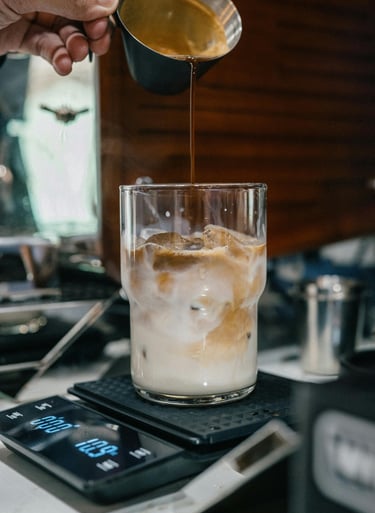
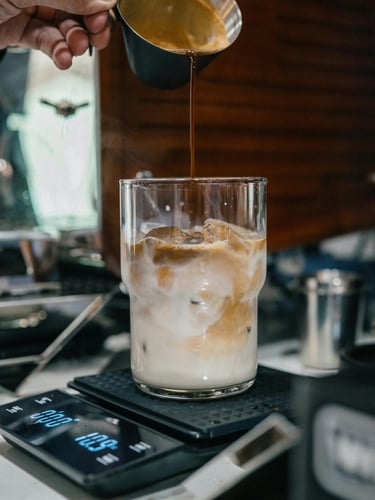
A small digital kitchen scale may not look glamorous, but it is one of the easiest ways to make home espresso more consistent. An inexpensive model with gram and ounce measurements and a clear LCD display is perfect for weighing both coffee doses and espresso shots.
By weighing how much coffee goes into the portafilter and how much liquid comes out, it becomes simple to repeat great shots and troubleshoot weak or bitter ones. The same scale can also be used for cooking and baking, which adds extra value in a small‑kitchen setup.
Steam And Pour Milk Like A Café
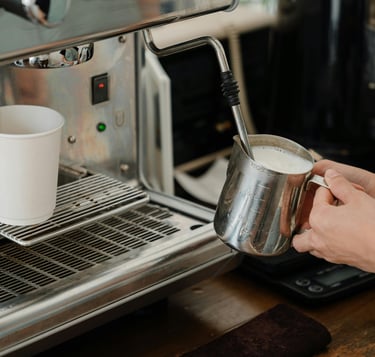
For anyone who loves lattes, cappuccinos, or iced espresso drinks, a stainless‑steel milk pitcher is essential. A 12–20 oz pitcher pairs well with a compact steam wand, giving enough room for milk to whirlpool and stretch without overflowing.
Metal pitchers also make it easier to feel milk temperature by hand, helping to avoid scalding. With a bit of practice, this setup can produce silky milk for simple latte art and café‑style drinks that look and taste impressive.
Level‑Up Tools: Better Distribution And Tamping
Espresso Distribution Tool (WDT)
Entry‑level grinders can leave clumps and uneven piles of grounds in the basket. A WDT (Weiss Distribution Technique) tool with thin needles gently breaks up those clumps and spreads the grounds evenly before tamping, reducing channeling and uneven extraction.
This tool is affordable, easy to use, and an excellent “phase two” upgrade once basic shots feel comfortable. It is especially helpful in a budget setup where the grinder is good but not perfect.
Tamper Upgrade
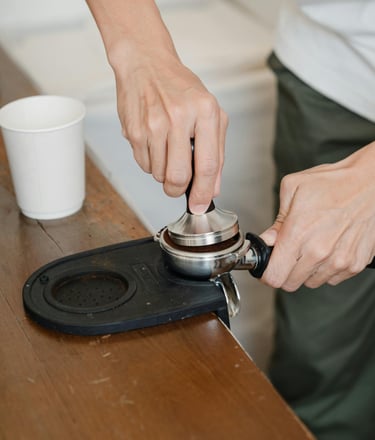
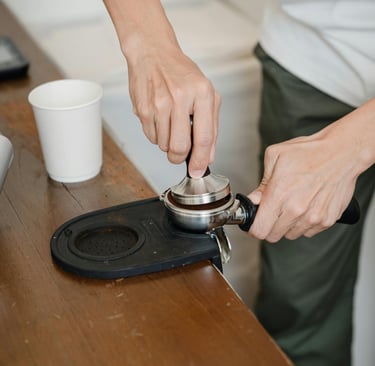
Most beginner machines include a lightweight plastic tamper that works but is not ideal. A spring‑loaded metal tamper matched to the portafilter size provides more even pressure and helps beginners tamp consistently without guessing how hard to press.
Because this is a higher‑priced accessory, it fits best in a “nice‑to‑have upgrade” category. The machine’s included tamper is enough to start; the premium tamper is for anyone who wants to refine technique and get more repeatable results.
Cleaning And Maintenance Essentials
Espresso machines last longer and taste better when cleaned and descaled regularly. A short maintenance routine makes a big difference, especially in areas with harder water.
Descaler tablets or solution: Universal descaling tablets formulated for coffee and espresso machines dissolve limescale and residue inside the system. They are typically compatible with most home machines; simply dissolve, run according to instructions, and flush with fresh water afterward.
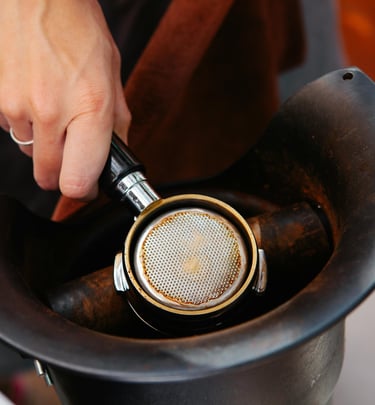
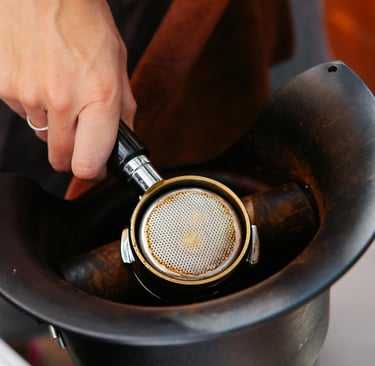
Knock box or small bin: A compact knock box or dedicated container makes it easy to dispose of used coffee pucks without dripping across the kitchen. This keeps a small station clean and quick to reset between drinks.
Microfiber cloths or bar towels: Keeping one cloth for wiping the steam wand and another for the drip tray and counter helps prevent milk buildup and water stains. A quick wipe after each use keeps the setup looking fresh and café‑like.
Turn The Setup Into A Cozy Coffee Corner
A small apartment or dorm does not have to feel cluttered. With a bit of styling, a budget espresso station can become a favorite corner of the room.
Mat Or Compact Cart
A mat, decorative tray, or narrow cart is perfect for grouping the machine, grinder, and accessories in one defined area. The espresso machine can sit on one side, with the grinder, milk pitcher, scale, and WDT tool neatly arranged on the other side or on an upper tier, depending on the mat size.
This keeps everything within reach while preventing tools from spreading across the entire counter or desk. It also makes the station look intentional and photogenic, which is ideal for anyone who loves sharing their setup on social media.
Beans, Cups, And Syrups
Airtight canister: A small, stylish canister keeps beans fresher and looks tidy next to the machine. Whole beans paired with the burr grinder will always provide better flavor than long‑stored pre‑ground coffee.
Espresso cups or mugs: A matching espresso cup set or a favorite mug adds personality and warmth to the station. Stacking or lining them on the tray gives visual café vibes in a small amount of space.
Syrup dispensers: A set of syrup pumps or dispensers is perfect for flavored lattes and iced drinks. They keep bottles cleaner and more organized, and they instantly signal “coffee bar” when someone sees the setup.
Optional Extras For Iced Coffee Lovers
For anyone who mostly drinks iced lattes and cold brew, a couple of optional extras can make life easier without being mandatory.
Compact ice maker: A small countertop ice maker can be helpful for daily iced drinks, especially in dorms or apartments where freezer space is limited or trays are annoying to refill. For strict budgets, regular freezer ice works perfectly well and can be mentioned as the default.
Tall glasses and reusable straws: Tall, clear glasses and reusable straws make homemade iced drinks feel like a treat and look great in pictures. They also encourage brewing at home instead of buying expensive café drinks.
Putting It All Together On A Budget
This small‑apartment espresso station is built around a compact, under‑$200 machine, a practical burr grinder, and a simple digital scale. Those three core pieces create the foundation for café‑style drinks at home.
From there, upgrades can be added gradually: a milk pitcher, WDT tool, better tamper, descaler tablets, a knock box, a tray, canister, cups, and syrup pumps. Each extra layer improves either taste or coziness, allowing the setup to grow over time without overwhelming the budget.
Contact
Questions? Reach out anytime, we're here to help.
balqeeserickson@hotmail.com
© 2026. All rights reserved.