Cafe-Style Milk Foam at Home: How to Get Barista-Level Froth Without an Espresso Machine
This post may contain affiliate links, which means I may earn a small commission if you make a purchase through these links—at no extra cost to you. I only share products I genuinely love or believe will add value. Thank you for supporting our website.
BEST COFFEE FINDSCOFFEE SOLUTIONS
1/21/20263 min read
A cozy latte or cappuccino at home does not require an expensive espresso machine. Many simple tools can whip milk into creamy, café‑style foam using gear you either already own or can grab on a budget. This guide walks through easy methods and exactly what to look for in affordable frothing tools.
Why café‑style foam is possible without an espresso machine
Milk foam is mostly about temperature, aeration, and the right milk, not about owning a big metal machine. When milk is heated gently and whisked or pumped, it traps air bubbles and becomes silky and thick.
With a basic frother, French press, or even a jar, it is possible to create the microfoam needed for lattes and cappuccino‑style drinks at home.
Choose the right milk first
For the best foam, use cold whole milk or a “barista”‑style plant milk, such as oat or soy labeled specifically for frothing; these versions contain proteins and fats that help create stable foam.
Avoid overheating milk; aim for pleasantly hot but sippable, roughly in the range where a finger can touch the side of the mug briefly without burning, because boiling milk collapses foam and tastes scorched.
Method 1: Handheld milk frother
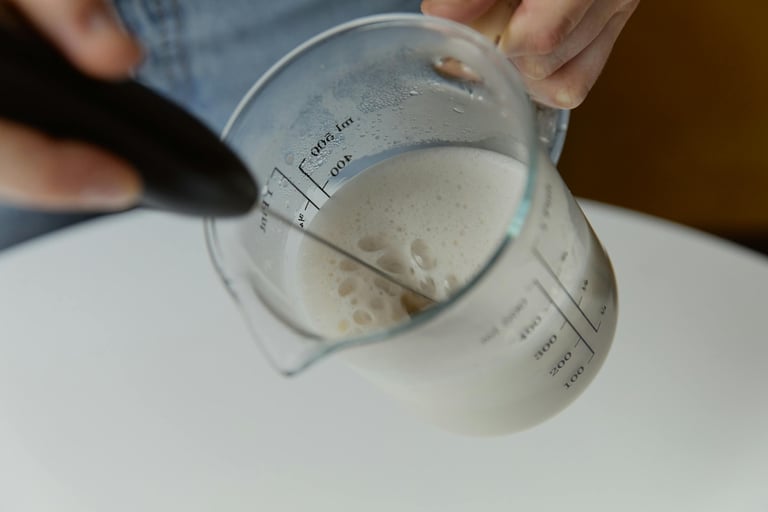
A handheld wand frother is one of the easiest ways to get café‑style foam on a budget; simply heat milk, submerge the tip, and move it around the surface for 15–30 seconds until it doubles in volume.
Tilt the cup slightly and keep the frother near the surface for airy foam, or slightly deeper for a creamier microfoam that works beautifully for lattes and flat‑white‑style drinks.
Method 2: French press frothing
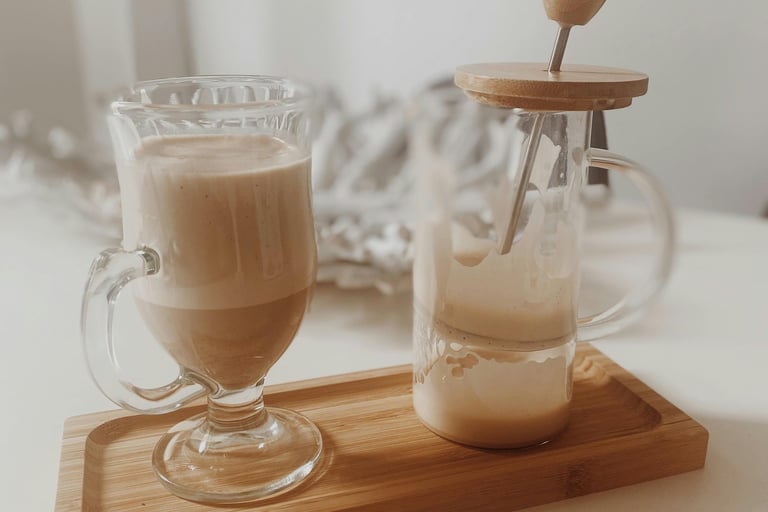
A French press can double as a powerful manual frother: pour in warm milk (no higher than halfway), place the lid on, and pump the plunger up and down rapidly for 20–30 seconds.
When the milk has expanded and looks thick and glossy, tap the base of the press on the counter to pop larger bubbles, then pour the foam over brewed coffee for a rich, barista‑style finish.
Method 3: Electric milk frother or frother‑warmer
A compact electric frother or frother‑warmer creates foam with one button, often offering separate settings for hot foam, cold foam, and simple warming, which is ideal for consistent morning routines.
Use the minimum and maximum fill lines carefully so the frother does not overflow, and experiment with different milk types to see which setting gives the thickest, silkiest foam in that specific device.
Method 4: Jar or lidded container
For a completely low‑tech approach, pour cold milk into a microwave‑safe jar, filling it halfway, then shake vigorously for 30–60 seconds until it becomes foamy and airy.
Remove the lid and microwave the jar briefly to set the foam; the heat stabilizes the bubbles so it can be spooned onto coffee for a light cappuccino‑like topping.
Method 5: Whisk or immersion blender
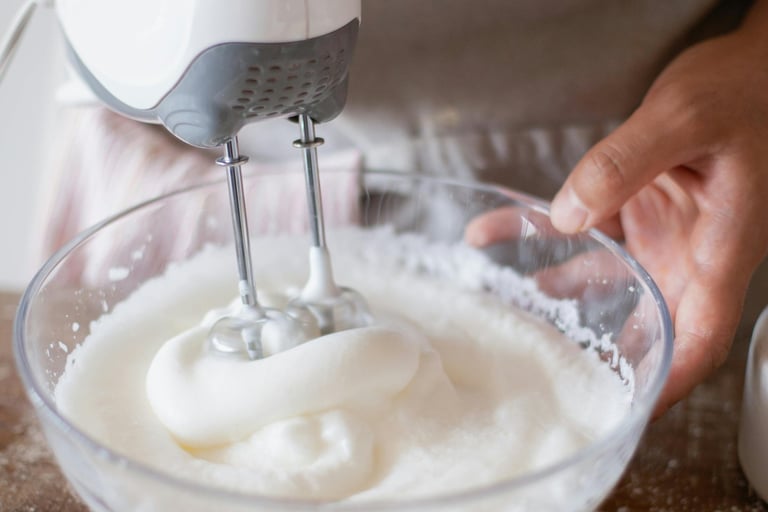
A simple balloon whisk can create foam in a stovetop pot or heat‑safe bowl: whisk warm milk quickly in back‑and‑forth motions until it thickens and increases in volume.
An immersion blender on low speed can also aerate warm milk, but using a tall container helps prevent splashes and creates a fine, even foam suitable for larger mugs of coffee.
Tips to get closer to barista‑style foam
Always start with cold milk from the fridge, heat it gently, and stop before it boils; this protects both texture and flavor so the foam tastes sweet rather than burnt.
Swirl and tap the container after frothing to remove large bubbles, then pour the milk in a slow, steady stream into strong coffee or espresso‑style concentrates to create that smooth café look.
When to upgrade your gear
If foam collapses quickly or looks bubbly no matter what, a small investment in a dedicated handheld frother or electric frother can make a big difference in consistency.
Once the basic foam technique feels easy, pairing a good frother with a reliable brewing method—like a moka pot, French press, or strong drip coffee—brings homemade lattes much closer to a true café experience.
Contact
Questions? Reach out anytime, we're here to help.
balqeeserickson@hotmail.com
© 2026. All rights reserved.