Why Your Coffee Tastes Bitter (And How to Fix It Fast)
This post may contain affiliate links, which means I may earn a small commission if you make a purchase through these links—at no extra cost to you. I only share products I genuinely love or believe will add value. Thank you for supporting our website.
COFFEE SOLUTIONS
1/27/20263 min read


Does your coffee taste harsh, burnt, or unpleasantly bitter? You’re not alone. Bitter coffee is one of the most common problems beginners face—and the good news is that it’s almost always fixable.
In this guide, you’ll learn:
Why coffee becomes bitter
The most common mistakes that cause bitterness
Simple, beginner-friendly fixes
The exact tools that can help improve your coffee instantly
No complicated barista jargon. Just practical advice that actually works.
What Does “Bitter” Coffee Really Mean?
Bitter coffee usually tastes:
Sharp or harsh on the tongue
Burnt or overly strong
Drying in the mouth
Unpleasant even with milk or sugar
This typically happens when coffee is over-extracted (too much flavor pulled out during brewing) or when beans and tools aren’t working in your favor.
1. Your Grind Size Is Too Fine (The #1 Cause)
If your coffee tastes bitter, the most common reason is grind size.
When coffee grounds are too fine, water extracts too much from them. This leads to:
Harsh flavors
Burnt taste
Overpowering bitterness
How to fix it:
Use a slightly coarser grind for drip, pour-over, or French press
Avoid blade grinders (they create uneven particles)
Use a burr grinder for more consistent results
Helpful tool:
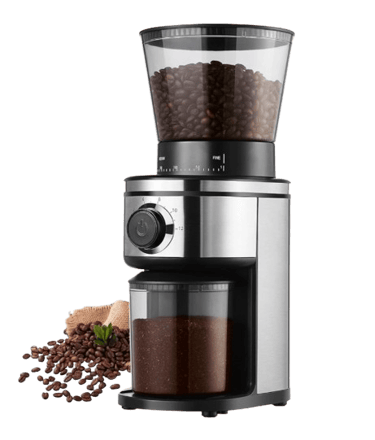
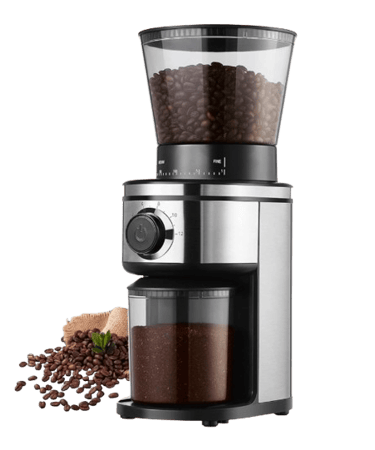
Burr Grinder
A burr grinder helps create even coffee grounds, which leads to smoother, more balanced flavor. This is one of the best upgrades for anyone struggling with bitter coffee.
2. Your Water Is Too Hot
Boiling water (212°F / 100°C) can scorch coffee grounds and extract harsh compounds, especially with lighter brew methods like pour-over.
How to fix it:
Ideal brewing temperature: 195–205°F (90–96°C)
Let boiling water sit for 30–60 seconds before pouring
Use a kettle that allows temperature control
Helpful tool:
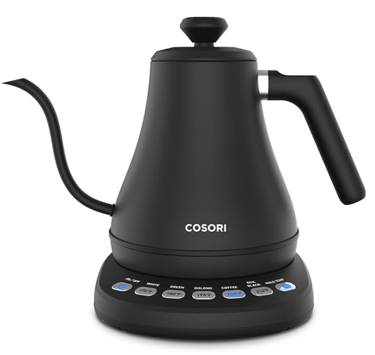
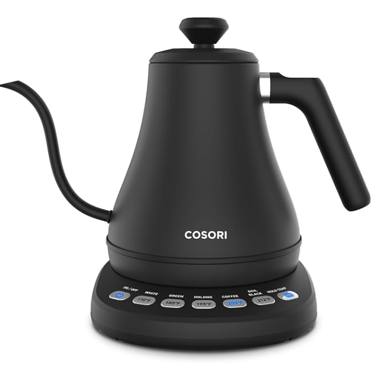
Gooseneck Temperature Control Kettle
A temperature-controlled kettle helps you brew at the right heat, giving you smoother coffee and better flavor consistency.
3. You’re Using Too Much Coffee
Eyeballing your measurements often leads to overly strong, bitter coffee.
A good beginner ratio:
1 tablespoon of coffee per 6–8 oz of water
OR1:15 to 1:17 coffee-to-water ratio by weight
How to fix it:
Measure your coffee and water instead of guessing
Start lighter, then adjust based on taste
Helpful tool:
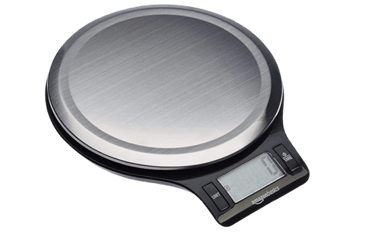
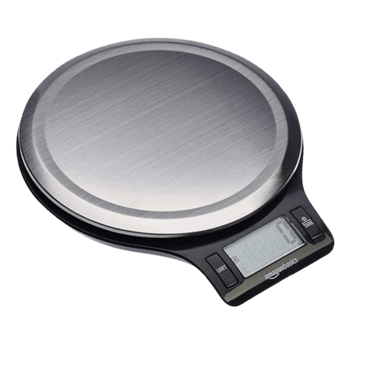
Digital Coffee Scale
A small coffee scale helps you measure accurately so you avoid over-extraction and overly strong brews.
4. Your Coffee Beans Aren’t Fresh
Old or improperly stored beans can taste:
Stale
Flat
More bitter than they should
Coffee beans are sensitive to:
Air
Light
Heat
Moisture
How to fix it:
Store beans in a cool, dry place
Keep them away from direct sunlight
Use an airtight container instead of leaving them in the bag
Helpful tool:
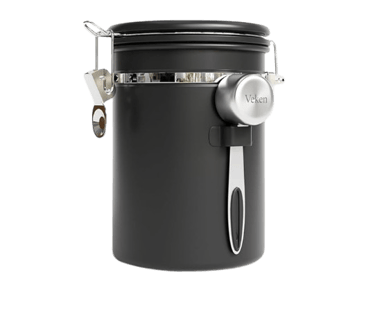
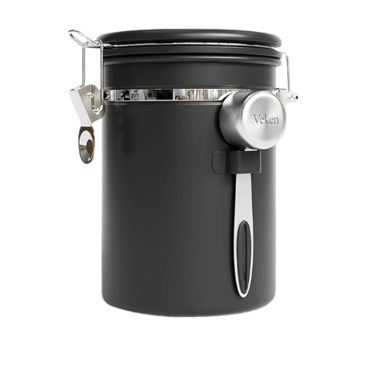
Airtight Coffee Storage Container
A proper container helps keep beans fresher for longer, which often leads to smoother, less bitter coffee.
5. Your Brew Method Isn’t Working for You
Some brew methods naturally highlight bitterness more than others.
If you consistently dislike the taste of drip coffee, switching methods can make a big difference.
A smoother alternative:
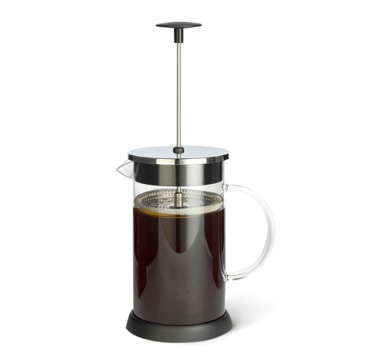
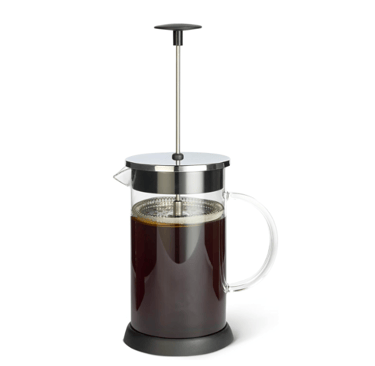
French Press
French press brewing produces a fuller, smoother cup with less harsh bitterness when used correctly. It’s also beginner-friendly and doesn’t require expensive equipment.
Tips for smoother French press coffee:
Use a coarse grind
Brew for 4 minutes
Press slowly and gently
Quick Fix Checklist (Save This)
If your coffee tastes bitter, try this in order:
Use a burr grinder for more even grounds
Adjust to a slightly coarser grind
Use water below boiling (195–205°F)
Measure coffee with a scale
Store beans in an airtight container
Try brewing with a French press instead of drip
You don’t need to change everything at once. Even fixing one or two of these can dramatically improve your coffee.
Final Thoughts: Better Coffee Is Easier Than You Think
Bitter coffee isn’t a sign that you’re bad at making coffee—it usually just means a few small adjustments are needed.
With the right grind, proper temperature, simple measurements, and fresher beans, your daily cup can become:
Smoother
Balanced
More enjoyable
Something you actually look forward to
And the best part? You don’t need expensive café equipment to make great coffee at home. Just a few thoughtful changes go a long way.
If you’re building your own beginner friendly espresso setup, be sure to check this page out.
Contact
Questions? Reach out anytime, we're here to help.
balqeeserickson@hotmail.com
© 2026. All rights reserved.